1-800-210-3008
1-800-210-3008

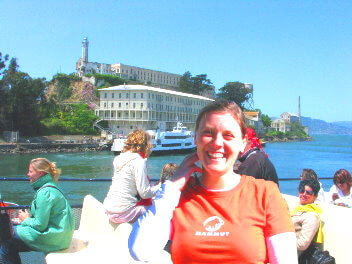
The perfect Alcatraz and San Francisco combo guided tour. Enjoy a private guided tour of San Francisco top attractions and iconic sights, combined with a self-guided tour of Alcatraz Island. Ferry and Prison tickets included. Book more tours and save even more…
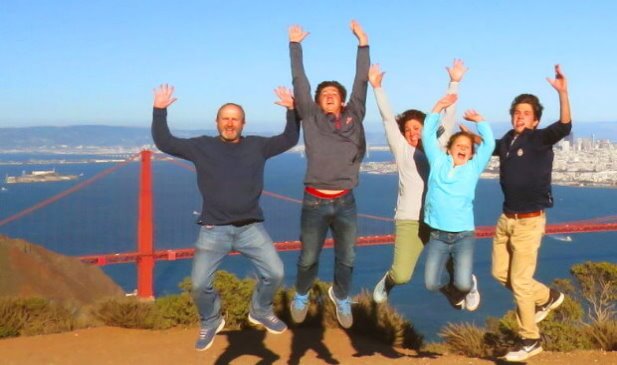
Experience our San Francisco full-day custom private tour. This daylong guided tour is the ideal way to explore breathtaking sights, iconic monuments, and unique hidden gems unknown to most visitors. Visit the city by the Bay your way and at your own pace.
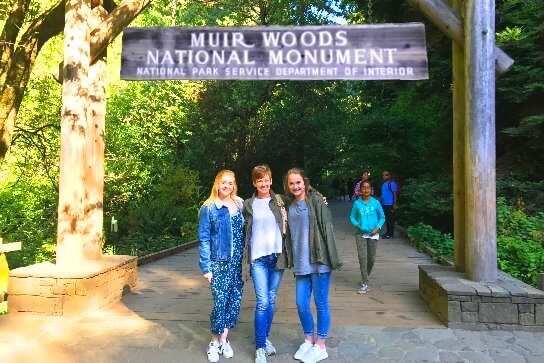
Don't miss our magic daylong, worry-free private tour package. This is a very popular custom tour option: explore San Francisco's best attractions and sights, visit Muir Woods National Monument, home of the giant redwoods, and Sausalito, all in a one-day combo
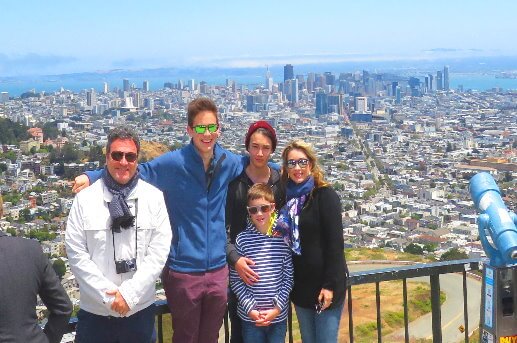
Book this private tour and get the most out of your half-day custom tour of San Francisco. Explore San Francisco’s most famous sights, iconic monuments and hidden gems, including sites that are prohibited to tour buses and large vehicles like Lombard Street.
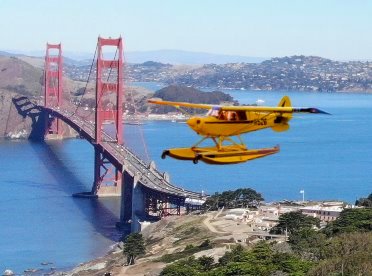
Fly over Alcatraz Island and San Francisco Bay, and visit the world-famousAlcatraz Prison with tickets, entrance fees and seaplane ride all included. You’ll also enjoy a tour of some of San Francisco’s top attractions. Knock this adventure off your bucketlist!
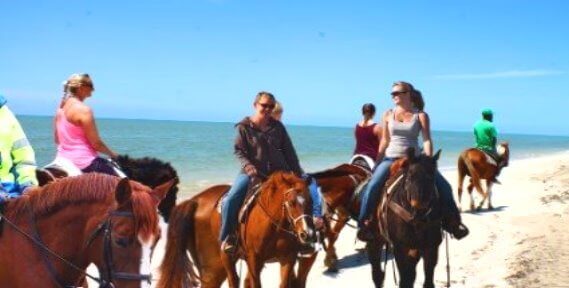
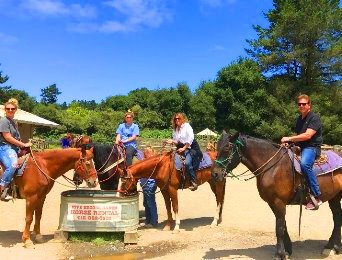
Looking for a horseback ride on the beach, combined with your tour of Alcatraz Island and Prison? This family-friendly ranch offers horseback-riding tours suitable for ages and experience levels. Your Alcatraz Prison tickets, ferry and horseback ride are also included in this tour package.
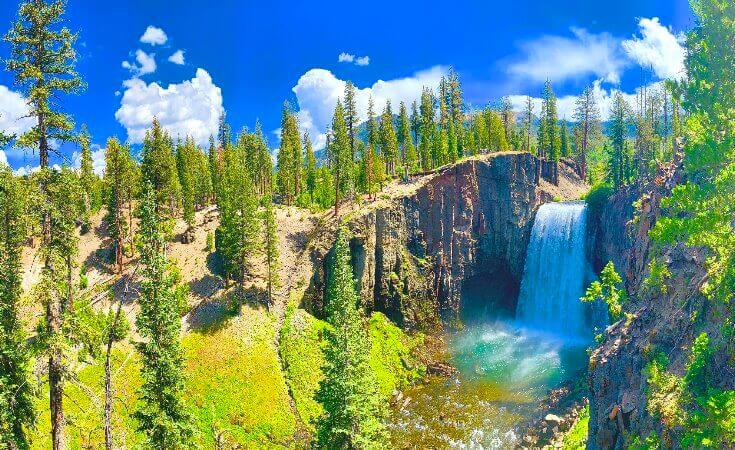
Are you dreaming of a unique and fascinating journey, and an inspiring vacation that will take you far away beyond your ordinary path? Join us to discover the Sierra Nevada’s hidden treasures, including Yosemite’s top attractions, waterfalls, and giant sequoias, combined with Mammoth Lakes and Eastern Sierra’s magical wonderlands and wilderness. This is a bucket list destination and once-in-a-lifetime adventure.
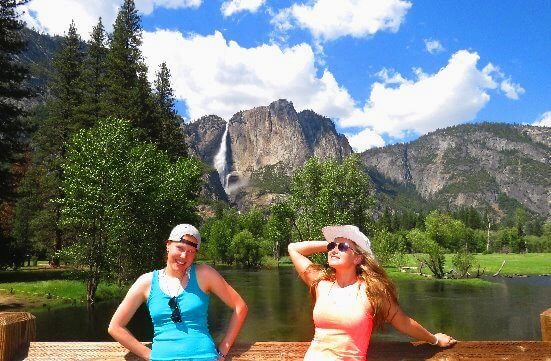
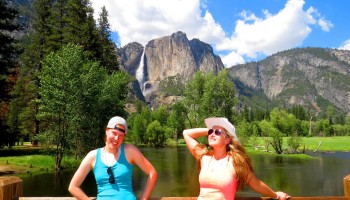
We’ve been Number 1 Yosemite private custom tours specialist since 2000. Join us to discover Yosemite National Park’s waterfalls and giant sequoias, and the Sierra Nevada’s natural wonders and hidden gems. Choose among our Yosemite day trips, overnight travel packages and outdoor adventures with hotel accommodation and entrance fees included. Explore Yosemite National Park wilderness your way and at your pace.
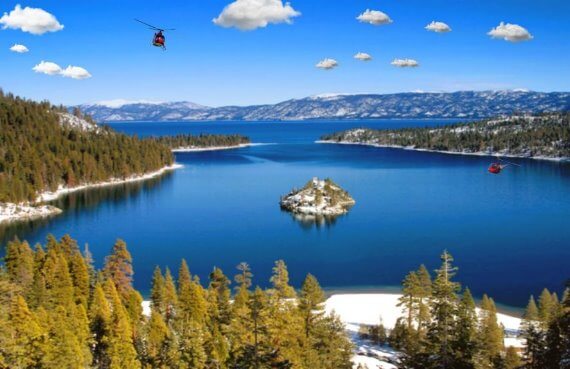
Are you looking for a world of wonders where dreams come to life? Discover the wonderlands of the Sierra Nevada wilderness: marvel at Lake Tahoe’s premier sights and visit Yosemite National Park’s magical wonders and unique sights. This is the ultimate winter and summer getaway, an eco-adventure that will take you to California’s best-kept secret of natural wonders.
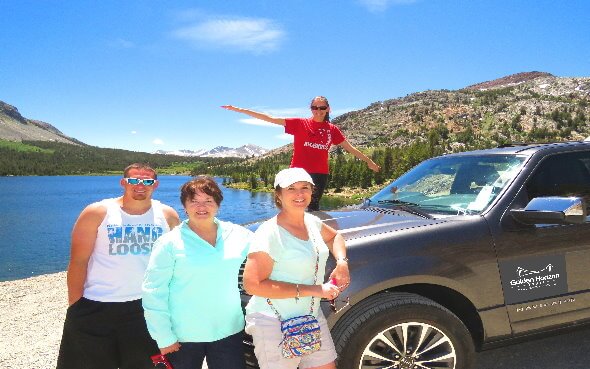
Top reasons why you should consider the Yosemite 4 or 5-day travel packages: Yosemite is a bucket-list destination and once-in-a-lifetime adventure. It is America's favorite national park, a UNESCO World Heritage site and North America’s top destination for visitors from around the world. Yosemite covers nearly 1,200 square miles which makes it impossible to explore in less than 4 or 5 days.
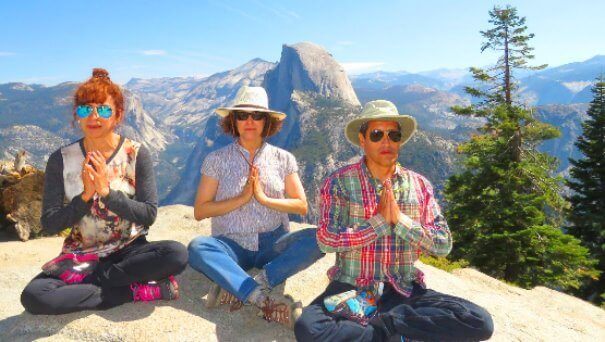
Book this new getaway and outdoor adventure to explore Yosemite’s top sights, wonders, and outdoor activities. For nature lovers and photographers who want a true insider experience in Yosemite National Park, our 3-day custom adventure is the ideal vacation package for all ages. You’ll enjoy quality time and explore hidden, memorable sights in Yosemite and Sierra Nevada wilderness.
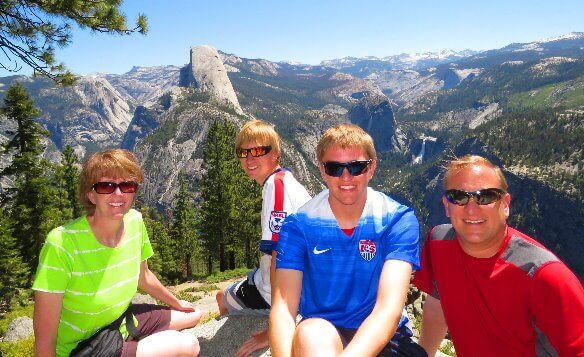
The Yosemite 1-day private tour is limited to the Yosemite Valley sights and attractions, which represent only 1% of the Yosemite National Park wilderness. The 2-day tour package, on the other hand, covers most of Yosemite’s popular sights, including the Yosemite Valley, Yosemite giant sequoias, and Glacier Point. This worry-free package includes your Yosemite entrance fees and hotel accommodation
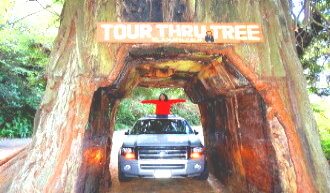
Discover the Kingdom of the Giant Redwood Trees at Redwood National Park! This is a bucket list adventure and a must-see, once-in-a-lifetime destination. Book this worry-free travel package with hotel accommodation included, and marvel at the world’s tallest redwood trees located in hidden groves, off the beaten path. "The redwoods are ambassadors from another time!" – John Steinbeck.
This is the perfect getaway to see the best-kept secret groves of ancient redwoods and the Point Reyes National Seashore. Travel through forests, lagoons, and beaches along the beautiful coastline of Marin County. Admire Point Reyes’ unique flora and fauna (Tule elk, whales, elephant seals, capped by a visit to the Point Reyes historic lighthouse – a prime spot for whale watching.
This is the perfect outdoor adventure for all ages without driving far from San Francisco. You’ll explore Marin County’s best-kept secret sights. You’ll be getting out of the car as much as possible to enjoy nature at its best. You will also visit Muir Woods, Stinson Beach, Bolinas and Mount Tamalpais State Park to enjoy 360-degree breathtaking views of the Bay Area.
This is a full-day, private guided tour, starting with a visit to the majestic redwoods in Muir Woods National Monument followed by a drive through the picturesque vineyards of California Wine Country. Visit the Sonoma or Napa Valley top wineries and vineyards of your choice! Taste premium wines or champagne in charming castle wineries or small, intimate boutique wineries.
We now offer daily morning (a.m.) and afternoon (p.m.) custom tours from San Francisco and Sausalito to Muir Woods National Monument by luxury SUVs and large vans (minibus). We will tailor your morning or afternoon program and itinerary to suit your needs, schedule and expectations. Please book your tour ASAP, because Muir Woods now requires advanced reservations and parking permits.
Experience a horseback ride on the beach near Half-Moon Bay, visit Santa Cruz beaches and top attractions, and explore California’s oldest state park of Giant Redwoods. Enjoy an exhilarating, scenic drive along California Pacific Coast Highway 1, and capture the coast’s top sights, natural landscape and beach towns. This tour includes your horseback ride and park entrance fees.
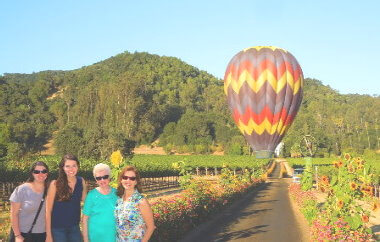
Picture your perfect Napa private daylong custom tour and let us make that wish would come true. Whether you’re a first-time visitor to Napa Valley or a repeat guest, we have the perfect custom-made experience for you, regardless of your budget. Choose one of our California private wine tours and experience the ultimate wine tour in sophistication, style and comfort.
Sonoma Valley is a year-round destination for wine enthusiasts, foodies, outdoor adventurists, movie buffs, shopaholics, and even cheese and beer lovers. Sonoma offers wine enthusiasts, both novice and seasoned alike, a world of choices, and it’s the perfect foodie getaway for all visitors, including those who don’t drink. Taste premium olive oil and cheese or dine in outdoor farm-to-table restaurants.
Indulge in the bounty of our new food and wine pairing immersive experience. Fuel your passion, awaken your palate’s senses and savor our new wine and food pairing experience. Enjoy a delightful multi-course dining experience, paired with the perfect wines to suit your taste. This sumptuous and upscale experience showcases the harmony of our food and wine pairing experience.
Looking for a new and glamorous Napa Valley experience? Experience the Napa Valley Wine Train Tour and embrace a glamorous dining experience. The perfect romantic getaway – travel and dine in charm, sophistication and grace. In this course of this exciting journey, you’ll enjoy a 3-hour elegant dining experience and ride aboard a vintage train throughout Napa Valley’s picturesque vineyards and much more…
Discover the ancient forest of giant redwoods and visit California Wine Country in a one-day private adventure. This worry-free Muir Woods and California Wine Country combo custom tour includes all applicable taxes; complimentary pick-up and drop-off at your hotel, a Muir Woods parking permit, and a private tour of Napa Valley or Sonoma Valley in a luxury vehicle with a dedicated tour guide.
Are you looking for an easy getaway adventure where you can discover and marvel at towering old redwoods, without driving far or putting up with the large crowds in Muir Woods? Book this tour and visit a hidden forest of old redwoods, an old cheese factory in Marin County, and California Wine Country in a one-day private custom tour. All inclusive.
Take an unforgettable discovery vacation package, with park entrance fees and hotel accommodation included, and explore Big Sur and the Central Coast’s world-class attractions, glorious beaches, unique oceanside spots, seaside towns, old western villages and awesome hidden gems. This unforgettable journey will take you to Pismo Beach, Avila Beach, Morro Bay, Hearst Castle, Big Sur, Carmel, Monterey, and much more…
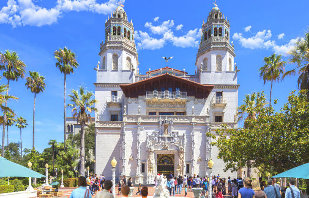
This is the ideal 2-day tour package to discover majestic Hearst Castle, explore Big Sur’s natural wonders, visit Monterey, Carmel-by-the-Sea, Pebble Beach and the 17-Mile Drive. Big Sur and the world-famous Hearst Castle should be on everyone's bucket list, as this iconic landmark is a masterpiece of art and architecture. Hotel accommodation, Hearst Castle and state park entrance fees included
Book this 2-day worry-free adventure and discover Big Sur’s wonders and California giant redwoods. Visit Monterey, Carmel, the 17-Mile Drive, Santa Cruz, and Half-Moon Bay, and enjoy a horseback ride on the beach. This is the ideal getaway to enjoy nature at its best, without having to rush to get back to San Francisco during peak traffic. Fees and hotel accommodation included.
Visit the Monterey Bay, Carmel-by-the-Sea and the 17-Mile Drive, including Pebble Beach and the majestic vistas of California Pacific Highway Route 1. Expand your horizons and travel south to immerse yourself in the Big Sur’s natural wonders and breathtaking wilderness. Drive across the iconic Bixby Bridge, the country’s most photographed bridge, and visit hidden gems including groves of giant redwoods.
This exhilarating drive and tour experience will take you along the nation's most scenic routes from San Francisco to Monterey and Carmel. Admire beautiful farmlands and breathtaking vistas on the back roads of Monterey and Santa Cruz Counties. Take a walk to hidden beaches and see endangered species including sea otters. Delight in Monterey’s rich history and enjoy sweeping views...
This is the ultimate 4-day travel vacation package to explore the Golden State’s wonders, iconic landmarks, world-class attractions and famous monuments. This California dream vacation package will exceed your expectations! Discover San Francisco, Santa Cruz, Monterey, Pebble Beach, Carmel, Big Sur, majestic Hearst Castle, Morro Bay, San Luis Obispo, Avila Beach, Pismo Beach, Solvang, Santa Barbara, Malibu, Santa Monica and Los Angeles.
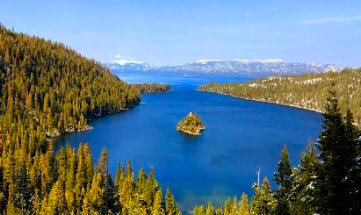
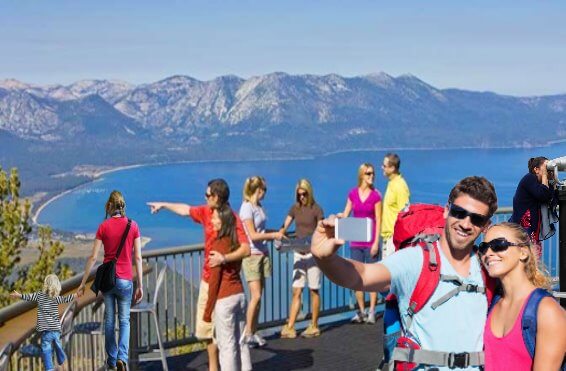
Discover the wonderlands of the Sierra Nevada, marvel at Lake Tahoe’s premier sights and magical wonder. Choose between our Tahoe day trips and travel packages with hotel accommodation included. Tahoe is a paradise for nature lovers who come to rejuvenate themselves in its charm and serenity. To fully immerse yourself in the real Lake Tahoe and Sierra wilderness experience, overnight adventures are highly recommended.
This is a bucket list adventure we highly recommend to nature lovers, families and photographers. Experience a once-in-a-lifetime discovery travel eco-adventure that will take you to California’s best-kept secret of natural wonders, with iconic national and state parks including Yosemite National Park, majestic Lake Tahoe and the Sierra Nevada wilderness. These extraordinary combo tour packages include taxes, entrance fees and hotel accommodation.
The Real Bucket List Adventure: Are you dreaming of a unique journey and inspiring vacation that will take you far beyond your ordinary path? Discover the Sierra Nevada’s hidden treasures including Yosemite, Mammoth Lakes magical wonderlands and Eastern Sierra’s top attractions. Experience some of the world's most striking geologic wonders and marvel at the largest and oldest trees on earth.
Why should you visit Silicon Valley? This new and exclusive discovery custom tour is a must-do for everyone, because the people behind Silicon Valley technology have transformed and changed our daily lives. This experience appeals to all generations and visitors with varying levels of technical knowledge and interests. Our Silicon Valley guided tour will be customized to your needs, interests, and preferences.
Discover California’s oldest state park of giant redwoods, combined with a custom tech tour of Silicon Valley’s giant tech companies like Google, Apple, Facebook, NASA, and Stanford. Or combine this new outdoor adventure to California’s oldest state park of giant redwoods with a side trip to California Pacific Coast Highway 1’s top sights, natural wonders, state beaches, beach towns, and top attractions.
This is the ultimate full-day 9-hour worry-free getaway package. Ride a horse on the beach, discover one of California’s largest ancient state parks of giant redwoods and Pacific Coast Highway 1’s top sights and attractions. Visit the authentic beach towns of Half-Moon Bay and Santa Cruz, a popular destination for locals and surfers. Here's your chance to experience this awesome outdoor adventure.
Are you dreaming of a unique journey through the magical wilderness of the Sierra Nevada that will take you far beyond your ordinary path? Join us and discover Mammoth Lakes wonders.
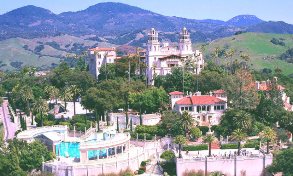
Discover Majestic Hearst Castle and Big Sur breathtaking natural wonders, visit ancient forests of giant redwoods, explore Monterey, Carmel, Avila, Pismo Beach and Central California’s top attractions.
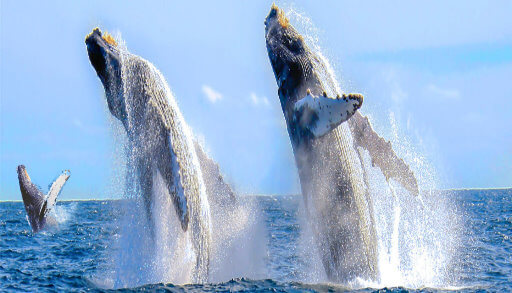
Discover California’s largest State Park of giant redwoods and ride a horse on the beach near Santa Cruz. Here's your chance to knock this outdoor adventure off your bucket list.
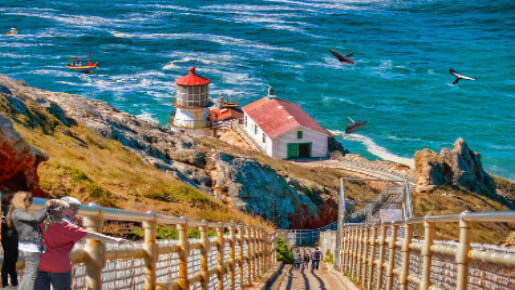
Discover the wonderland of Point Reyes National Seashore and visit a hidden grove of ancient redwoods. This is the perfect getaway to explore Marin County’s natural wonders and hidden gems
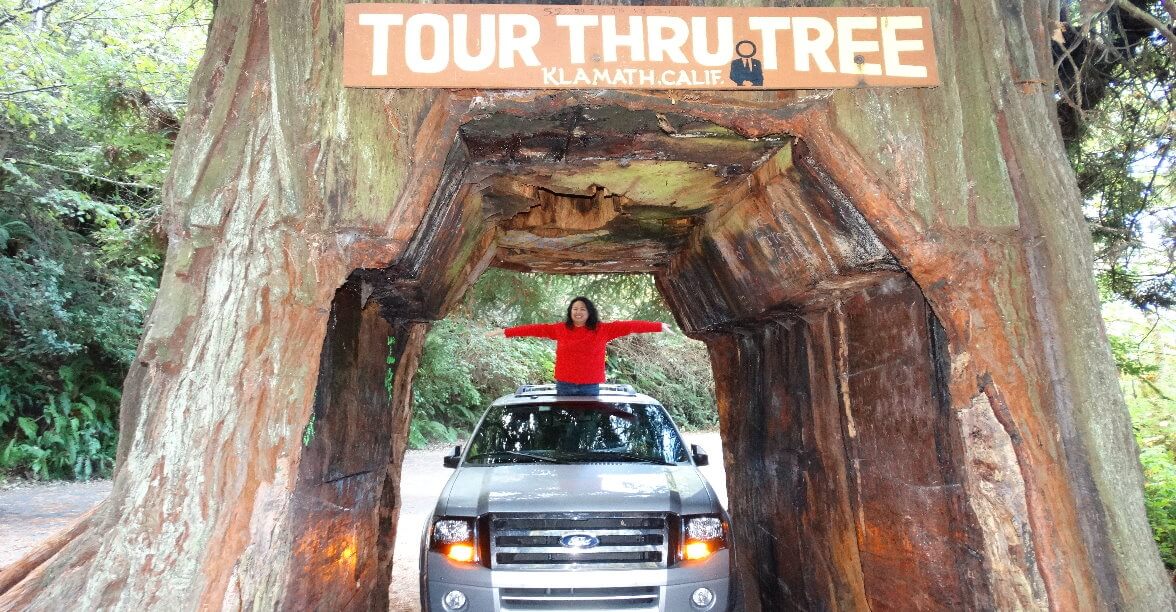
Discover Redwood National Park – the Kingdom of The Giants! Redwood National Park is home to the largest and tallest redwoods on earth, and offers an unforgettable outdoor experience…
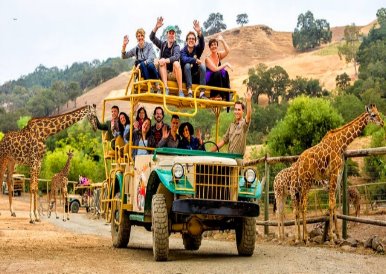
Our new safari adventure is an action-packed excursion that will take you to Sonoma’s wild Safari park, combined with a side trip to visit an ancient forest of giant redwoods.
The ultimate Yosemite and Lake Tahoe winter and summer getaways. Experience our Lake Tahoe and Yosemite National Park combo adventures, day trips and travel packages with endless outdoor activities.
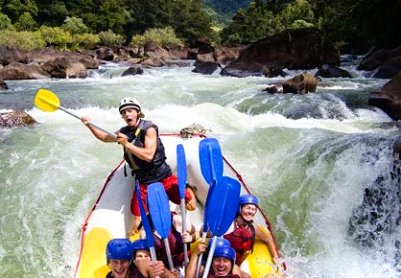
Experience the thrills and excitement of our 10-hour Whitewater Rafting day adventure. Book this rafting adventure and join our ultimate American whitewater expedition in the heart of the Gold Country.


What an amazing trip around Lake Tahoe after a 3-day custom adventure of Yosemite national park sights and attractions - a wonderful destination.
Even if you’re not a fan of outdoors activities, Tahoe worth the long drive from San Francisco. This is a must-see destination with remarkable attractions.
Tahoe is a must-see place & Yosemite is the crown jewel of California, they offer amazing outdoor activities for families with kids
Our 3-day private tour package to Lake Tahoe wonders, Gold Country & Yosemite National Park top attractions was excellent, exciting & memorable!
The Lake is pristine, wonderful, so clean, the air is so fresh & pure with magnificent surroundings, what an awesome paradise on earth?
Our adventure to Lake Tahoe and Reno from San Francisco was amazing and unforgettable thanks to Golden Horizon Travel attentive staff, and tour guide.
My wife and I want you to know how much we enjoyed our time in Tahoe & Yosemite, we loved travelling with your company
Trust their tour reviews on trip advisor 100%, they earned our satisfaction, they have a great customer service and amazing tour guides.